
Tree Removal Cincinnati Guide by Size
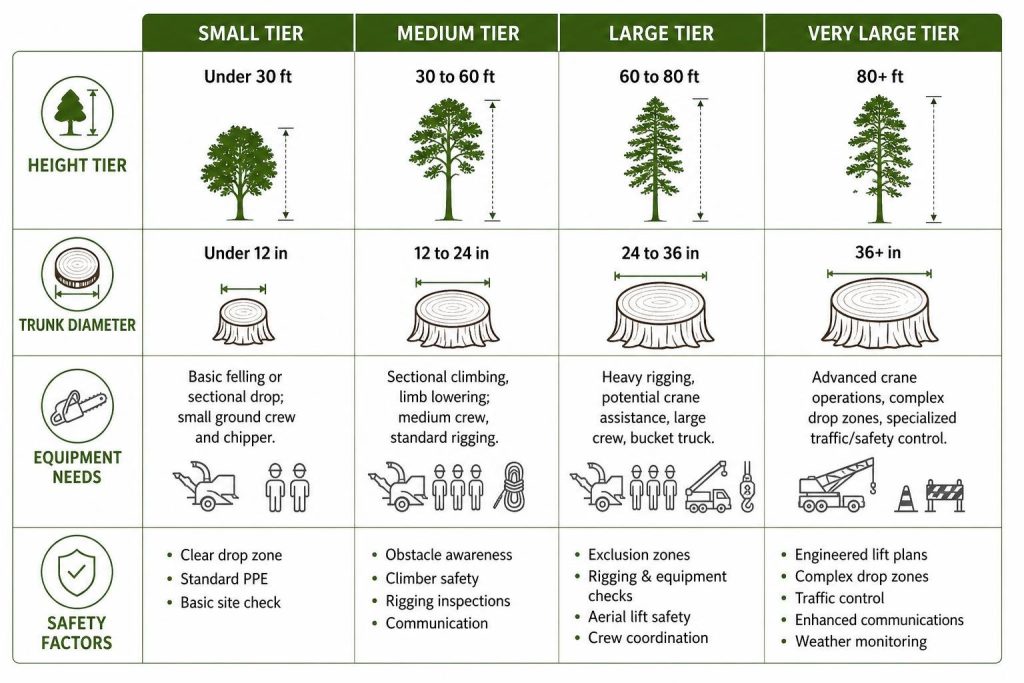
When evaluating a job, tree height and trunk diameter are the single largest variables shaping the work required. Larger trees contain significantly more mass, require specialized rigging systems, and demand significantly more labor time on site.
| Tree Height Tier | Typical Height | Typical Trunk Diameter | Scope & Equipment Requirements |
|---|---|---|---|
| Small Tier | Under 30 feet | Under 12 inches | Basic felling or sectional drop; small ground crew and chipper. |
| Medium Tier | 30 to 60 feet | 12 to 24 inches | Sectional climbing, limb lowering; medium crew, standard rigging. |
| Large Tier | 60 to 80 feet | 24 to 36 inches | Heavy rigging, potential crane assistance, large crew, bucket truck. |
| Very Large Tier | 80+ feet | 36+ inches | Advanced crane operations, complex drop zones, specialized traffic/safety control. |
Small and Medium Tree Removal Scope
For smaller trees standing under 30 feet, the process is generally straightforward. If the surrounding drop zone is clear of obstacles, our team can often fell the tree directly from the ground or use minimal sectional cutting. These projects require smaller ground crews and less specialized rigging, making them the most efficient jobs to complete.
Medium-sized trees—ranging from 30 to 60 feet—introduce additional steps. Trees in this class, such as mature callery pears or mid-sized maples, usually require a climber to strip lateral branches from the bottom up before lowering the main trunk in controlled sections. Standard scopes cover a multi-person crew, heavy-duty brush chippers, and standard wood hauling. You can review our full range of professional tree removal services to see how we approach projects of this scale.
Large Tree Removal Operational Factors
When a tree reaches 60 to 80 feet—or stretches beyond 80 feet—the job enters a completely different operational category. Large native hardwoods like mature pin oaks, sycamores, and silver maples feature heavy limbs extending far over rooflines or neighboring yards.
At this height tier, safety considerations multiply. We frequently deploy specialized heavy machinery, including aerial bucket trucks and high-capacity cranes, to lift multi-ton sections safely over structures without risking property damage. Understanding the top reasons remove tree property—such as severe structural defects in massive oak limbs—helps homeowners prioritize high-risk removals before major storm events occur.
Key Factors Influencing Tree Removal in Greater Cincinnati
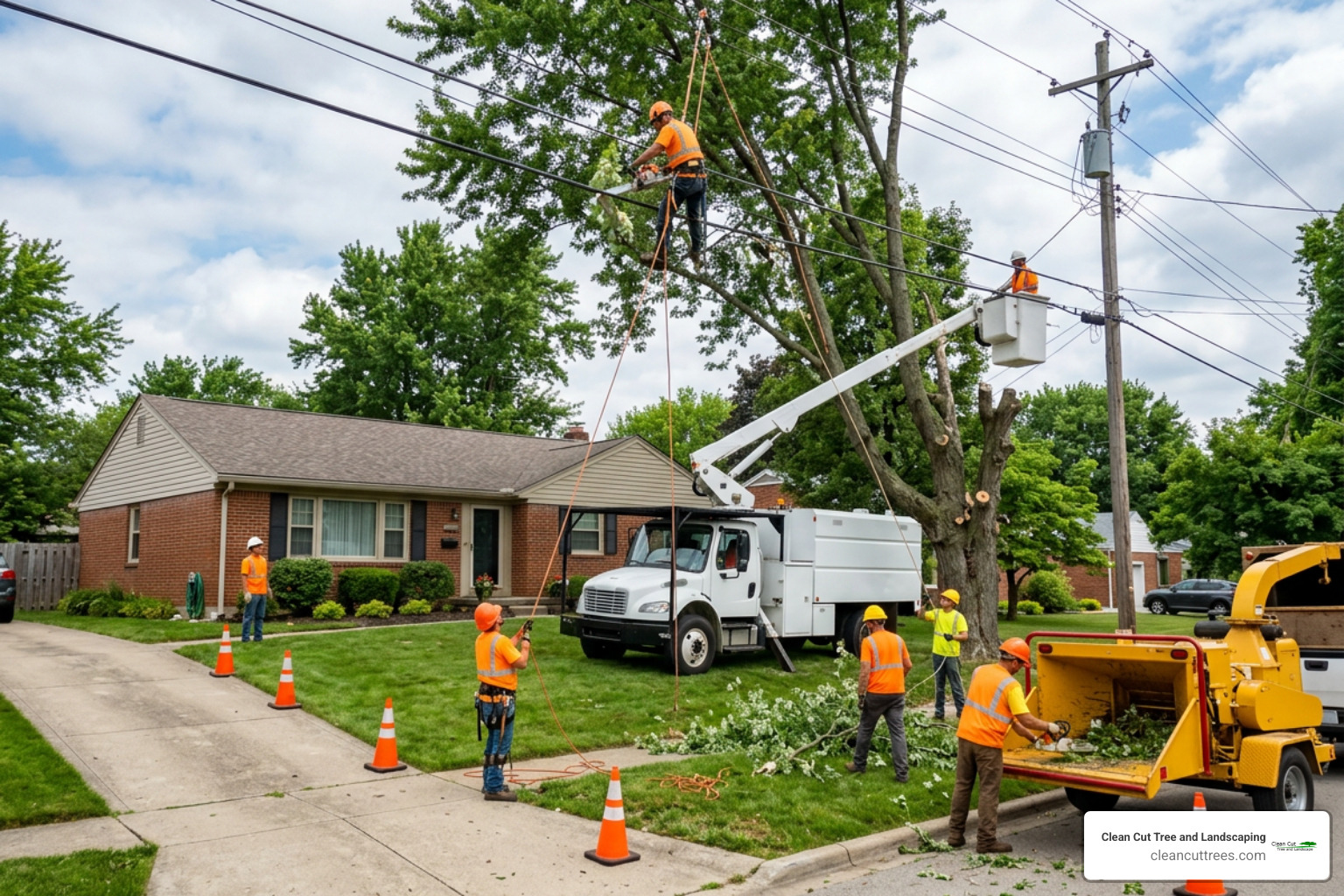
Every property in Greater Cincinnati presents a unique layout. While tree height establishes the initial baseline, property-specific risk factors dictate the crew size, machinery, and time needed to perform the work safely.
Key complexity factors include:
- Access Tightness: Narrow side gates, sloped yards, or sensitive landscaping prevent heavy machinery from parking next to the tree. When machinery can’t reach the trunk, limbs must be pieced out manually and carried to the street.
- Proximity to Power Lines: Trees growing into utility lines require specialized coordination, certified line-clearance arborists, and precise lowering technique.
- Structural Risk: Trees hanging directly over house roofs, glass sunrooms, historical masonry, or pool decks require custom rigging anchor points and friction brakes.
- Emergency Work: Severe wind or ice storms can leave hanging limbs or uprooted trees resting on structures. Hazardous trees requiring immediate response require rapid deployment of crews and heavy equipment outside normal scheduling windows. If you suspect an urgent issue, learn how to tell if a tree dead needs removed before it poses a structural threat.
Local Labor and Technical Requirements
Tree care requires skilled labor, high-grade personal protective gear, specialized machinery, and extensive commercial liability insurance. In Ohio, professional arborists undergo rigorous safety training and certification to operate specialized equipment.
Maintaining operational efficiency requires ongoing investments in commercial vehicle maintenance, specialized crane safety testing, ongoing arborist certifications, and state licensing. This ensures a fully prepared, safety-certified crew for field operations.
Furthermore, regional factors shape service delivery across the area. Cincinnati features diverse topography and varying soil conditions, which impact machinery placement. Understanding regional requirements and equipment availability helps ensure projects are handled with high safety and operational standards across the Midwest.
Municipal Permits and Local Regulations
Navigating local rules is an essential pre-work step in the Cincinnati area. Depending on your exact municipality, permit requirements can vary:
- City of Cincinnati & Historic Districts: Certain historic neighborhoods (such as Columbia-Tusculum or Over-the-Rhine) or designated conservation districts may require review before removing mature trees, especially those along public rights-of-way.
- Protected Tree Ordinances: Certain suburban municipalities protect specific native tree species or trees exceeding designated diameter thresholds.
- HOA Rules: Private homeowners associations across Hamilton, Butler, and Warren counties often require architectural board approval prior to taking down large shade trees visible from the street.
Our team helps homeowners verify local municipal codes so all work remains fully compliant with city regulations.
Add-On Services, Stump Grinding, and Seasonal Scheduling
When reviewing a project proposal, it is crucial to understand what is included in the base scope. Standard removal typically covers felling the tree, chipping brush, and hauling away primary logs. Additional post-removal steps are typically managed as separate project line items.
Common project add-ons include:
- Complete stump grinding below surface grade
- Root flare chasing and lateral root removal
- Wood chip removal and clean topsoil backfill
- Log splitting for residential firewood retention
- Specialized site protection matting for soft lawns
Stump Grinding and Debris Disposal
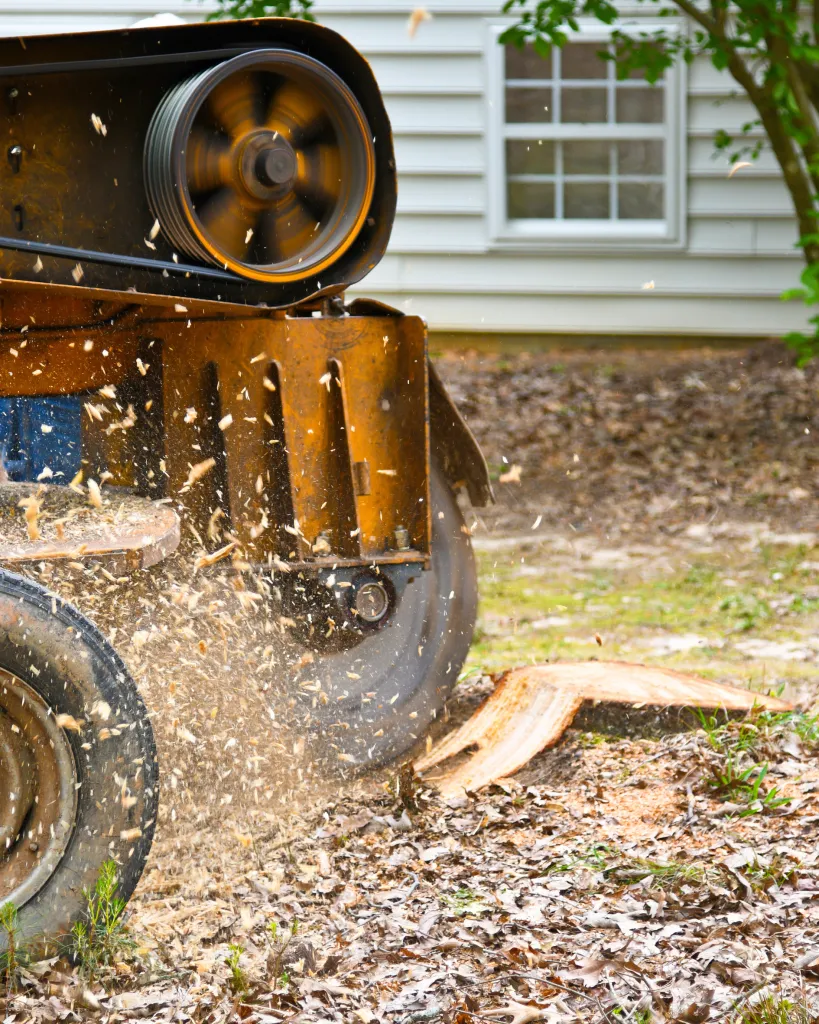
Once a tree is down, the stump and root flare remain intact in the ground. Standard felling cuts the tree trunk close to grade, but completely removing the remaining wood requires specialized grinding equipment.
Through our dedicated stump grinding service, mechanical grinders shave the stump down anywhere from 4 to 12 inches below ground level. This process produces a substantial pile of wood chips mixed with soil. Property owners can choose to keep the mulch for garden beds, or have our team haul the debris off-site and backfill the cavity with clean topsoil and grass seed.
Seasonal Timing and Winter Operations
Scheduling your removal during specific months can provide operational and scheduling advantages. Greater Cincinnati experiences around 4 freezing months per year, alongside an average annual rainfall of 40 inches.
Winter is often the most practical season for major tree work. When the ground freezes, heavy equipment can move across lawns with a lower risk of leaving deep ruts in soft turf. Furthermore, dormant trees have shed their leaves, reducing total debris volume and foliage weight. Property owners who plan ahead can save money on your tree removal project this winter by booking during seasonal equipment lulls.
How to Choose and Verify a Local Tree Removal Contractor
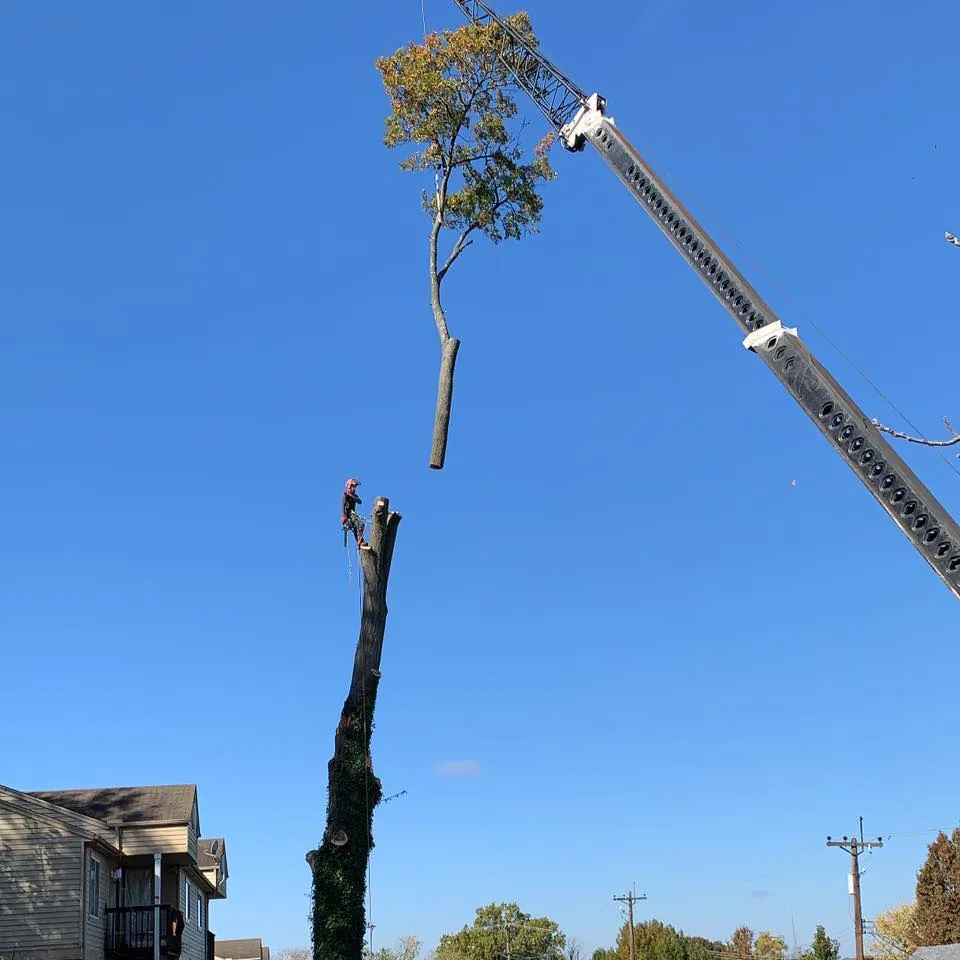
Removing large trees is technical, high-risk work that demands professional oversight. Hiring an uninsured or inexperienced contractor can expose property owners to severe safety hazards if an accident occurs on site.
When reviewing proposals, always verify these crucial criteria:
- Proof of Insurance: Require a direct Certificate of Insurance (COI) showing both General Liability and Workers’ Compensation coverage.
- Certified Arborists on Staff: Ensure the team understands tree physics, weight distribution, and safe rigging protocols. Reviewing 10 things need know hiring tree service can help you ask the right questions during an initial consultation.
- Itemized Written Scope: Confirm whether brush chipping, log hauling, stump grinding, and yard restoration are bundled together or itemized separately.
- Safety Gear & Equipment: Professional crews use personal protective equipment (PPE), modern drop-tested ropes, high-capacity cranes, and designated safety zones.
Detailed estimates from reputable companies protect you from unexpected surprises midway through a project. For more precise industry calculations, property owners can also check regional baseline data via the Tree Removal Cost in Cincinnati, OH (2026) — Free Calculator | HomeCostCalc.
Frequently Asked Questions About Cincinnati Tree Removal
Do I need a permit to remove a tree on my property in Cincinnati?
In most standard residential zones across Cincinnati, private property tree removal does not require a city permit unless the tree sits within a public right-of-way, a designated historic preservation district, or an environmental protection overlay zone. However, property owners should always verify local street-tree ordinances and check with their specific Homeowners Association (HOA) before work begins.
Is stump grinding included in standard tree removal quotes?
No, stump grinding is typically treated as an optional add-on service. Standard tree removal estimates focus on felling the tree, chipping the branches, and hauling away main log sections. Grinding the remaining stump below grade requires distinct machinery, soil backfill management, and separate labor steps. You can review detailed answers about post-removal options on our comprehensive faqs page.
How does Cincinnati weather affect scheduling and project execution?
Cincinnati’s 40 inches of annual precipitation and four freezing winter months play a significant role in job site logistics. Saturated spring ground can make maneuvering heavy cranes difficult without specialized lawn protection mats, while severe summer thunderstorms often trigger unexpected high-priority calls across the city. Understanding tree removal safety for the summer helps explain why emergency storm clearing under harsh weather conditions requires additional safety protocols and specialized machinery.
Conclusion
Understanding the scope of your tree removal project is the best way to ensure a smooth, safe outcome for your property. By considering factors like tree height, trunk thickness, equipment access, site hazards, and post-removal cleanup needs, you can easily evaluate job proposals and choose the right approach for your yard.
At Clean Cut Tree & Landscaping, our certified arborists specialize in handling complex, high-risk, or tight-space tree removals throughout Greater Cincinnati with rapid response times and expert safety standards. Contact our team today to request a detailed estimate and schedule your project with confidence through our professional tree removal services.