
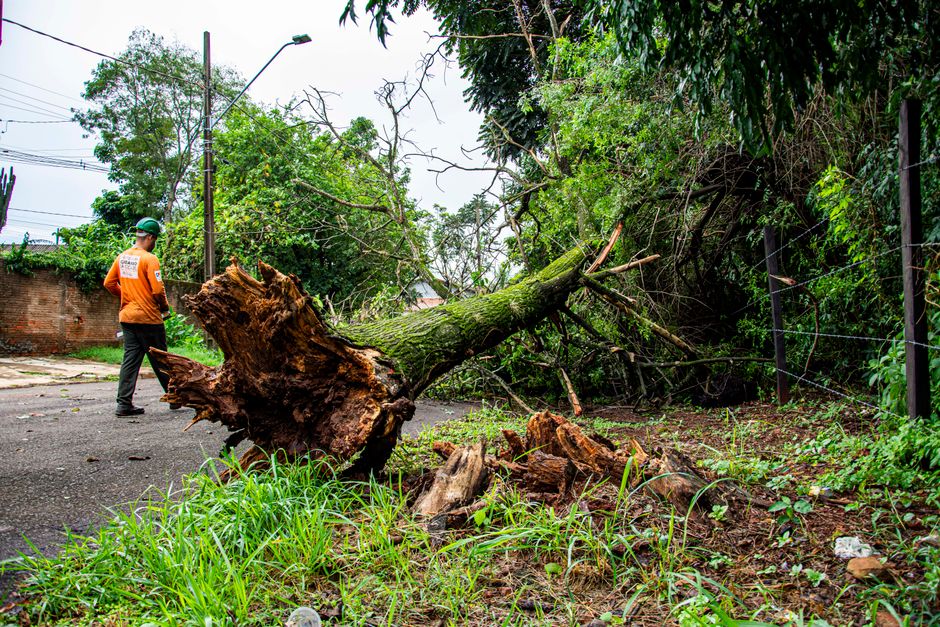
What to Know About Bush Removal
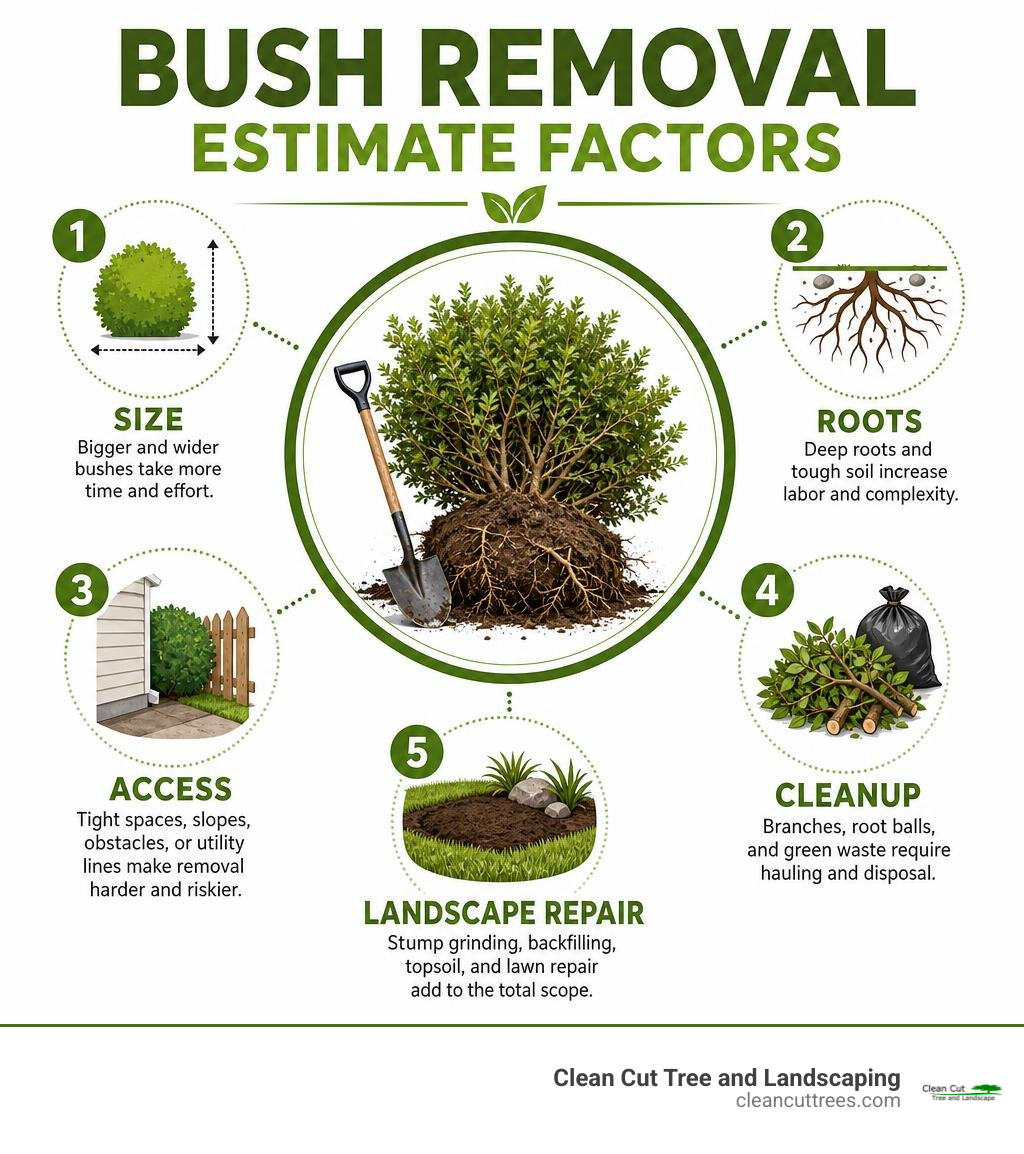
Bush removal depends mainly on the bush’s size, root system, location, and whether the job includes hauling, stump work, or yard repair.
Expect the final scope of work to change based on:
- Bush height and spread: Bigger, mature shrubs take longer to cut back and dig out.
- Roots and soil: Deep roots, dense clay soil, and plants that regrow easily require more labor.
- Access: Bushes beside fences, foundations, utility lines, slopes, or tight gates can be harder to remove safely.
- Debris cleanup: Branches, root balls, and green waste may need hauling and disposal.
- What happens afterward: Stump grinding, backfilling holes, replacing topsoil, and repairing lawn areas can add work.
For Greater Cincinnati homeowners, removal is often about more than curb appeal. An overgrown, diseased, storm-damaged, or foundation-adjacent bush can create safety issues, block access, and make future landscaping harder. The key is knowing whether a service scope covers a simple cut-down or full removal of the stump and roots.
The SEO Team at Clean Cut Tree and Landscaping breaks down the details below so you can compare removal options with confidence.
Bush Removal Breakdown by Size and Type
When we evaluate a residential yard for shrub extraction, the physical dimensions of the plant are almost always the starting point for estimating effort and equipment requirements. Bush height, branch density, and root mass scale together. Removing a decorative dwarf shrub that you planted last spring involves vastly different labor than pulling out a thirty-year-old evergreen that has effectively turned into a small tree.
For a clearer understanding of how shrub height influences physical labor and tool demands, industry research guides like HomeAdvisor’s Shrub Removal Guide outline how size categorizations shape project scope:
| Shrub Height / Category | Visual Characteristics | Labor & Equipment Requirements | Root System Complexity |
|---|---|---|---|
| Small Bushes (1–2 Feet) | Compact growth, soft wood stems, minimal canopy expansion. | Hand shovels, root saws, single crew member. | Shallow taproots or light fibrous lateral roots; easily lifted. |
| Medium Shrubs (2–4 Feet) | Established branch networks, woodier stems, wider base. | Pruning saws, heavy-duty spades, mattocks, standard labor crew. | Moderate root system extending 1 to 2 feet outward and deep. |
| Large Bushes (4–6 Feet) | Dense, overgrown canopy; thick structural trunks. | Chainsaws, winches, heavy trenching tools, multi-person crew. | Widespread structural roots requiring extensive manual excavation. |
| Extra-Large Shrubs (6+ Feet) | Tree-like multi-trunk structures; extreme height and spread. | Skid steers, mini-excavators, commercial stump grinders. | Massive taproots and deeply embedded lateral root webs. |
Understanding these size categories helps homeowners visualize why two bushes of the exact same species can require radically different removal techniques if one has been left unchecked for decades.
Bush Removal Methods: Flat Service vs. Hourly Options
Landscaping and tree care professionals structure their work around two main methods: flat-service plant removal or hourly project labor. Understanding how these models operate helps you evaluate project plans and anticipate how unexpected yard conditions might affect your overall timeline.
- Flat-Service Per-Shrub Work: This is the most common model for straightforward residential projects. The contractor assigns a fixed scope per plant based on its height, plant species, and location. Flat service gives homeowners complete transparency because the project scope remains fixed regardless of how long the crew spends digging out stubborn root systems. However, contractors usually establish a minimum service commitment to cover their transit, crew dispatch, and equipment transport needs, meaning that removing just a single small plant might carry a baseline commitment equivalent to removing two or three plants in one visit.
- Hourly Labor Services: Hourly labor is frequently used for large-scale land clearing, dense overgrown brush, or sites with unpredictable obstacles like hidden debris, steep slopes, or buried hardscapes. When crews bill by the hour, work is based on the exact time spent working on site. This can work to your advantage if your soil is loose and soft, allowing us to rip through roots quickly. Conversely, if your yard features hard-packed clay or tight access points that force hand digging, hourly labor will reflect the additional time required.
Species-Specific Removal Variables
Not all bushes are created equal when it comes time to tear them out. Plant physiology plays a major role in the effort required. Certain species possess physical defenses, hazardous properties, or aggressive root networks that demand specialized protective equipment, slower work pace, or advanced machinery.
- Hawthorn and Thorny Shrubs: Hawthorn, barberry, and pyracantha bushes feature long, razor-sharp thorns capable of puncturing standard work gloves, boots, and hydraulic hoses. Removing these prickly monsters requires heavy leather armor, specialized handling, and cautious dismantling to prevent crew injuries and punctured equipment tires.
- Toxic Oleander: Oleander is notoriously toxic across all parts of the plant, including stems, leaves, and roots. Cutting and hauling oleander demands strict protective gear to prevent skin exposure and eye irritation. Furthermore, oleander wood must never be burned or run through standard wood chippers without dust protection due to toxic airborne irritants.
- Invasive Blackberry Bushes: Wild or escaped blackberry brambles create massive, impenetrable thickets anchored by sprawling underground root systems called rhizomes. Simply cutting down the top growth does virtually nothing; if rhizomes are left behind, the thicket will return within months. Extirpating blackberry patches requires deep mechanical excavation or combined mechanical and chemical treatments.
- Pine and Conifer Root Mats: Evergreen shrubs like junipers, arborvitae, and ornamental pines do not necessarily grow deep taproots, but they construct dense, interwoven root mats near the soil surface. Cutting through these thick wooden carpets requires heavy mattocks, stump grinders, or machinery equipped with specialized root-cutting blades.

Key Factors Influencing Shrub Removal

When our certified arborists and landscape specialists evaluate a job, we look beyond the visible foliage above ground. A range of environmental and structural factors dictate the equipment needed, safety precautions, and labor hours required to complete the job cleanly.
To explore how large-scale vegetation clearing integrates with broader property development, read our guide on Land Clearing Services.
- Root Depth and Soil Structure: Soil composition in Greater Cincinnati varies wildly, ranging from friable topsoil in river valleys to dense, compacted heavy clay on higher ground. Digging a deep root ball out of dry, hardened clay requires significantly more physical effort and mechanical power than pulling roots from loose loam.
- Site Accessibility and Gate Openings: Can our machinery drive right up to the bush, or do we have to haul heavy stump grinders and root saws through a narrow 36-inch pedestrian gate? If equipment access is blocked by fences, narrow side yards, or decorative patios, crews must perform extraction manually using hand tools, wheelbarrows, and manual winches.
- Terrain Slope and Elevation: Bushes growing on steep hillsides, retaining walls, or terraced gardens introduce serious stability challenges. Working on inclines slows down labor, prevents the safe operation of heavy wheeled equipment, and requires extra rigging or hand anchor systems to secure workers and machinery.
- Proximity to Hardscapes and Structures: When a mature shrub sits inches from a home foundation, brick chimney, outdoor kitchen, or glass sunroom, aggressive digging or yank-extraction with heavy machinery poses a severe risk of property damage. Workers must carefully slice roots by hand to protect structural footings and underground utilities.
- Fuel and Travel Logistics: Regional travel distance, equipment trailering, and off-site disposal transport incur logistical requirements. Multi-shrub projects streamline travel overhead by spreading transportation steps across several items.
Detailed analytical resources such as Well Built Florida’s Bush Removal Overview further illustrate how accessibility constraints and structural proximity directly influence overall contractor project planning.
Additional Considerations: Stump Grinding, Disposal, and Lawn Repair
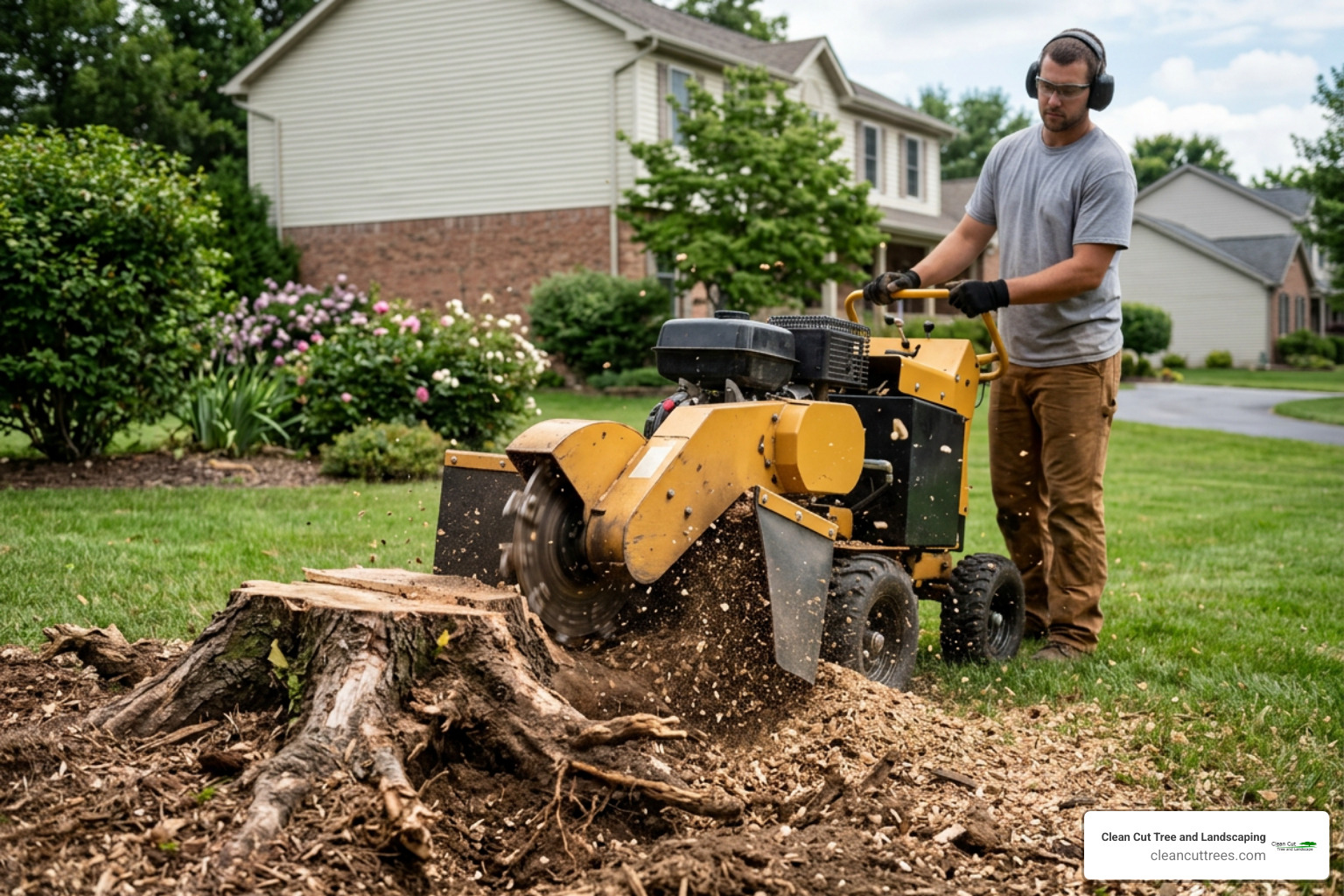
A comprehensive shrub removal project involves much more than simply severing stems at ground level. Leaving a gaping hole in your lawn or an exposed root crown can ruin the appearance of your yard and create long-term maintenance headaches.
For deep-dive technical insights into specialized root grinding and stump extraction equipment, explore our comprehensive Stump Removal Stump Grinding Services FAQ.
- Debris Hauling and Tipping Requirements: Cut branches, prickly foliage, and massive soil-encrusted root balls produce a tremendous volume of organic waste. Transporting this material to commercial composting facilities involves loading labor, trailer capacity, and local municipal dumping regulations based on weight or volume.
- Backfilling and Topsoil Replacement: Digging out a large shrub root system leaves behind a massive subterranean void. To bring your lawn back to grade and prevent hazardous stepping hazards, this hole must be filled with fresh topsoil, compacted properly to prevent future settling, and smoothed out.
- Lawn Repair and Reseeding: Heavy foot traffic, equipment tires, and root excavation inevitably disturb the turf surrounding the work zone. Restoring these areas requires spreading grass seed, applying starter fertilizer, and covering exposed dirt with straw or wood mulch.
- Underground Utility Markouts: Before sinking deep shovels or operating mechanical trenchers near property boundaries, call-before-you-dig services must mark buried gas lines, electrical conduits, fiber optic cables, and municipal water main lines to prevent catastrophic utility strikes.
Hedge Removal Considerations
Hedges present a distinct set of logistical considerations compared to isolated specimen bushes. Because hedges consist of closely planted rows of interconnected shrubs—such as boxwood, privet, or arborvitae—their root systems often tangle into a continuous underground network.
Contractors typically evaluate hedge projects based on linear footage rather than counting individual stems. Removing a dense, continuous hedge row requires systematically cutting back the upper canopy, slicing through the connected root curtain along the entire boundary line, and hauling away extensive linear piles of brush.
If the hedge sits directly on a property line, extreme care must be taken to respect adjacent land, lawn features, and underground irrigation lines shared with neighbors.
Stump Grinding vs Complete Root Extraction
Homeowners frequently ask whether it is better to grind down a shrub stump or dig out the root ball completely. Both strategies have distinct operational benefits:
- Stump Grinding: This method utilizes a high-speed rotating steel wheel studded with carbide teeth to pulverize the shrub stump four to eight inches below the surrounding ground level. The primary advantage of grinding is speed and minimal landscape disruption—it eliminates the unsightly above-ground stump without tearing up your entire lawn. However, because deep lateral roots remain under the soil, stump grinding is best suited for areas where you plan to cover the spot with turf, mulch, or gravel rather than planting new trees.
- Complete Root Extraction: Full excavation involves trenching around the shrub base, severing structural roots with saws or axes, and popping the heavy root ball entirely out of the earth. While this process is more labor-intensive and leaves a larger hole, it completely removes the root system. This is the required approach if you plan to install new foundations, put down hardscape pavers, or plant new specimen trees in the exact same footprint.
To learn more about selecting the ideal extraction strategy for your yard, review our guide detailing the Different Methods of Stump Removal.
DIY Bush Removal vs. Hiring a Professional Service
Taking the do-it-yourself route for shrub removal can seem appealing to hands-on homeowners looking to tackle a weekend yard project. However, the physical reality of digging out dense, heavy root systems often proves far more exhausting and complex than initial expectations.
| Factor | DIY Bush Removal | Professional Removal Service |
|---|---|---|
| Tool & Equipment Requirements | Hand shovels, mattocks, bow saws, rented stump grinders or mini-excavators. | Commercial-grade stump grinders, skid steers, hydraulic root saws, wood chippers. |
| Physical Effort & Labor Hours | High risk of physical exhaustion, back strain, and sore muscles; multiple days of labor. | Minimal physical effort for homeowner; completed safely in a fraction of the time. |
| Safety Risks & Property Hazards | Risk of injury from saws, flying debris, or vehicle tow-strap snapping accidents. | Fully insured certified arborists trained in rigorous safety standards. |
| Landscape Protection | High risk of damaging surrounding turf, garden beds, or underground utility lines. | Controlled extraction procedures designed to protect delicate surrounding hardscapes. |
| Debris & Root Disposal | Requires bundling brush, loading personal vehicles, or renting trailers to haul waste. | Turnkey haul-away service; full site cleanup, chipping, and green waste recycling. |
A common temptation for DIYers is attempting to pull bushes out by hooking a tow strap or chain from the shrub base to the trailer hitch of a personal truck or SUV. We strongly advise against this dangerous practice! Modern shrub roots hold onto the earth with tremendous tenacity. Attempting to yank them with a motor vehicle frequently results in ripped-off truck bumpers, damaged rear axles, bent frames, or snapped tow straps that can spring back and shatter windshields or cause severe physical injury.
To explore how professional landscape planning protects property value during major yard clearouts, visit our overview of custom Landscaping Services.
For further reading on the hidden pitfalls and structural considerations of clearing dense yard growth, consult The Techy Daily’s Gardener & Bush Removal Guide.
Practical Ways to Streamline Landscape Cleanup
While quality tree and landscaping care requires professional expertise and commercial machinery, there are several smart strategies you can use to optimize your service timeline and maximize efficiency:
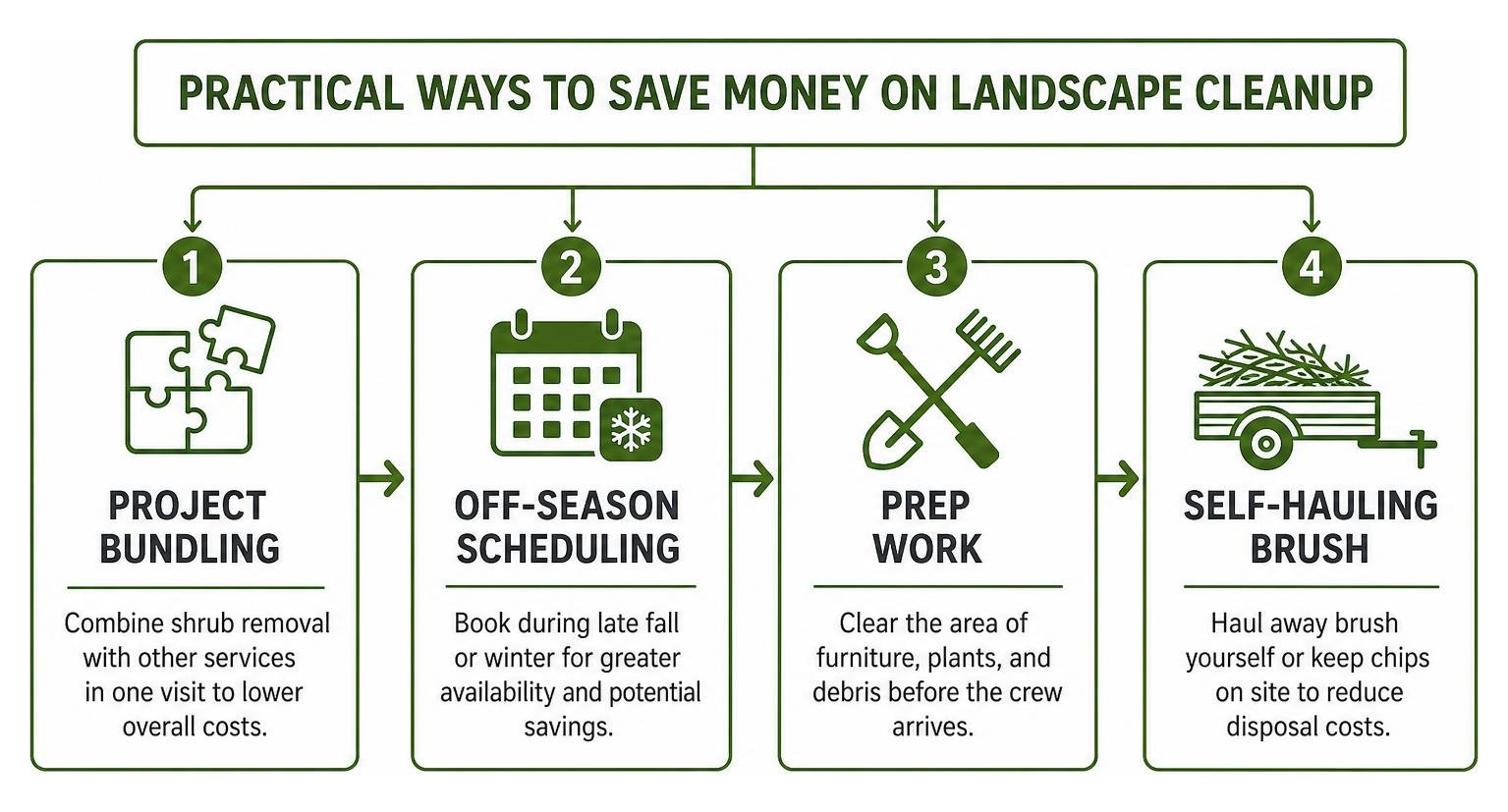
- Bundle Multiple Landscape Projects: Landscaping contractors incur fixed baseline logistics overhead every time they dispatch a crew, trailer, and heavy equipment to a home. You can optimize overall efficiency by combining shrub removal with tree pruning, stump grinding, or general land clearing during a single service visit.
- Schedule Work During the Off-Season: Demand for tree and landscaping services peaks during late spring and summer. By scheduling non-emergency shrub removals during late fall or winter, you take advantage of flexible contractor availability and potential seasonal scheduling flexibility.
- Perform Initial Site Preparation: You can reduce the time our crew spends on site by clearing away lawn furniture, potted plants, decorative stones, and loose yard debris from around the target bushes before we arrive.
- Keep Wood Chips or Mulch On Site: If your project involves chipping large amounts of woody branch material, ask us to leave the wood chips on site for you to use as fresh garden mulch. This saves on haul-away labor while providing useful material for your garden beds!
- Coordinate Removal with Neighbors: If your neighbors also have overgrown bushes, dying hedges, or stumps they want cleared, scheduling work on adjacent properties for the same day reduces travel overhead for everyone involved.
Frequently Asked Questions About Bush Removal
Will a bush grow back if the roots are left in the ground?
Yes, many popular shrub species will readily sprout new growth if structural roots and root crowns remain intact beneath the soil. Plants like privet, invasive honeysuckle, blackberry, and crape myrtle store significant energy in their underground root systems. When you simply cut the stems flush to the ground, the living roots respond by pushing up vigorous new shoots (often called “suckers”).
To prevent regrowth, you must either dig out the root ball completely, perform thorough stump grinding, or treat the freshly cut wood surfaces with an approved systemic herbicide designed to kill the remaining root system naturally.
How long does it take for a pro to remove bushes?
For a trained crew equipped with commercial equipment, removing a single small-to-medium decorative shrub usually takes between 15 and 30 minutes, including root digging and cleanup. Medium-to-large bushes with expanded root balls generally require 30 to 60 minutes per plant.
When dealing with massive, multi-stem overgrown hedge rows or extra-large shrubs requiring mini-excavators and full stump grinding, a multi-person crew may take anywhere from a half-day to a full working day. Access constraints, hard clay soil, and proximity to home foundations will also extend project time.
Do you need a permit to remove bushes from your yard?
In most residential municipalities across Greater Cincinnati, removing standard ornamental bushes, hedges, or shrubs on private property does not require a municipal work permit. However, permits or specialized approvals may be required if:
- The bushes sit within designated environmental wetlands, protected stream buffers, or public conservation easements.
- Your property is governed by a Homeowners Association (HOA) with strict architectural control rules regarding boundary hedges or front-yard landscape modifications.
- The shrub removal is part of a major commercial land development or site regrading project requiring environmental land-clearing permits.
We always recommend checking your HOA guidelines and verifying property boundaries before starting major landscape modifications.
Conclusion
Clearing unwanted, overgrown, or diseased bushes from your property is one of the most immediate ways to restore curb appeal, prevent foundation damage, and open up usable outdoor living space. While simple dwarf shrubs can occasionally be tackled with a sharp spade and some elbow grease, mature bushes, sprawling hedge rows, and thorny or toxic species demand professional equipment and expert care.
At Clean Cut Tree & Landscaping, our team brings certified arborists, commercial stump grinding machinery, and rapid emergency clearing capabilities to every job. Whether you need a single stubborn stump extracted from a tight space or an entire property cleared for a new garden layout, we handle every phase—from deep root extraction and utility safety to backfilling topsoil and final debris haul-away.
Ready to transform your yard safely and efficiently? Reach out to our team today to request a professional evaluation from our certified experts through our specialized Tree Removal Service.