
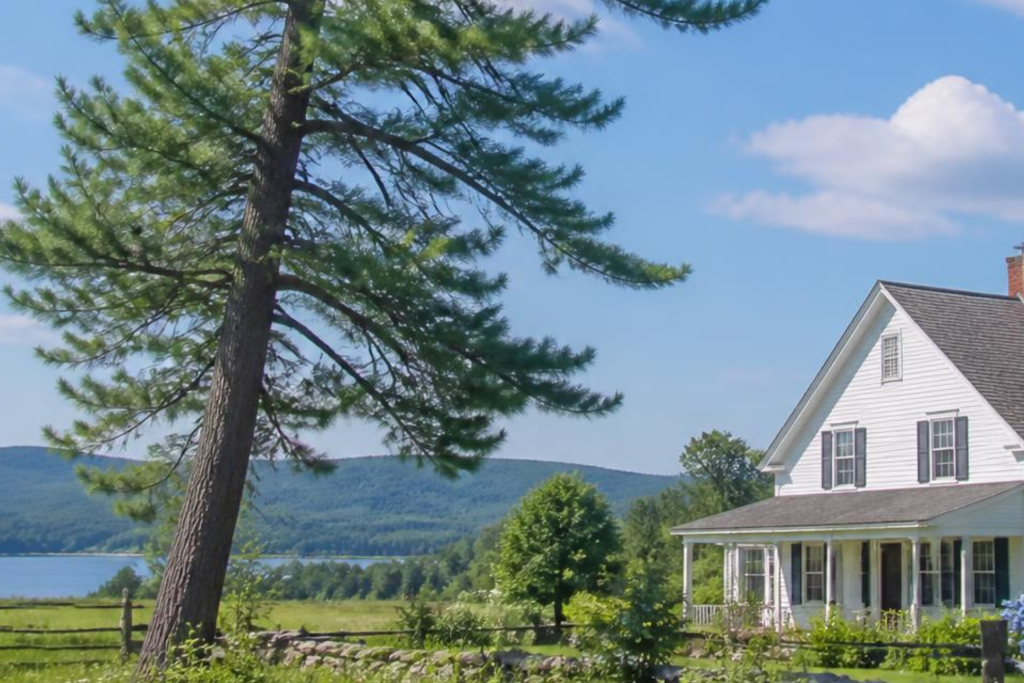
Discovering that one of your trees is leaning can be alarming. Your first thought is often, Is it going to fall? While a leaning tree doesn’t always need to be removed, it’s important to understand why it’s leaning and whether it poses a risk to your home, family, or property.
In this blog, we’ll explain when a leaning tree is simply part of its natural growth and when it’s time to call an ISA Certified Arborist.
Not Every Leaning Tree Is Dangerous
Many healthy trees naturally grow at a slight angle. Trees may lean as they grow toward sunlight, around nearby structures, or because of competition with surrounding trees.
If the lean has developed gradually over many years and the tree appears healthy, it may not require any action at all.
The key is determining whether the lean is new or worsening.
When Should You Be Concerned?
A tree that suddenly begins leaning is much more concerning than one that has always grown at an angle.
Watch for warning signs like:
- A noticeable change in the tree’s angle
- Exposed or lifting roots on one side of the trunk
- Cracks in the soil around the base
- Splits or cracks in the trunk
- Dead or hanging limbs
- A canopy that’s beginning to thin or die back
These signs may indicate root failure or structural instability and should be evaluated by a professional as soon as possible.
What Causes a Tree to Lean?
There are several reasons a tree may begin leaning.
Storm Damage
High winds and saturated soil can weaken a tree’s root system, allowing it to shift or lean after a severe storm. In Greater Cincinnati, this is one of the most common causes of sudden tree movement.
Root Problems
Healthy roots anchor a tree securely in the ground. If roots become damaged by construction, disease, decay, or poor soil conditions, the tree may lose stability.
Soil Saturation
Extended periods of heavy rain can soften the soil surrounding a tree. Combined with strong winds, this can cause even mature trees to lean unexpectedly.
Uneven Growth
Sometimes a tree develops a heavier canopy on one side due to sunlight exposure or improper pruning. Over time, the uneven weight distribution may contribute to a gradual lean.
Can a Leaning Tree Be Saved?
In many cases, yes – but it depends on the cause.
If the tree is healthy and structurally sound, an arborist may recommend:
- Corrective pruning to reduce weight
- Cabling or bracing to provide additional support
- Ongoing monitoring as the tree continues to grow
However, if the tree has significant root damage, severe decay, or poses a safety hazard, removal may be the safest option.
Every tree is different, which is why a professional inspection is so important.
Don't Wait Until It Falls
A leaning tree isn’t something to ignore.
Trees that fail rarely provide much warning, and once they come down, the damage can be significant. Early evaluation can often identify problems before they become emergencies and help you make an informed decision about your next steps.
Whether the solution is pruning, support systems, or removal, addressing the issue early is always the safest approach.
Trust the ISA Certified Arborists at Clean Cut Tree & Landscape
If you’ve noticed a tree leaning on your property, don’t guess whether it’s safe.
The ISA Certified Arborists at Clean Cut Tree & Landscape can inspect your tree, identify the cause of the lean, and recommend the best solution based on its overall health and structural condition. Our goal is always to preserve healthy trees whenever possible while helping protect your home and property from unnecessary risks.
Contact Clean Cut Tree & Landscape today for a FREE estimate and let our team help determine whether your leaning tree can be saved—or if it’s time for safe, professional removal.